
The relation in between eCommerce, SEO and SEM 51
The relation in between eCommerce, SEO and SEM
Every brand name's needs are different and require a special mix of SEO, SEM, and ecommerce. Marketers evaluate a brand name's objectives and capabilities to determine what programs are necessary but how will they attain goals and what data is required to achieve these goals?
30-second summary:
What's the distinction between SEO and SEM?What are the elements of an effective search method?
How can online marketers select a winning formula for their business objectives?Goodway Group's Search Center of Excellence, Lisa Little helps you find the answers.
What's the distinction between SEO and SEM? Is ecommerce considered search?To comprehend the relationship of these channels within the search function, consider a playground competition of dodgeball (SEO), kickball (SEM), and tetherball (ecommerce). All video games are used the exact same playground (online search engine results page, SERP) with the very same type of ball (platforms) but various rules, gameplay, gamer positions, tactical play, variables, and goals to win.
Some gamers (advertisers) invest everything into playing only one game. The athletes (performance online marketers) that play a combination of those video games and master the common ability (data storytelling, understanding impact to business, influential interaction abilities, consistent knowing, passion to test, embrace quick modification) guideline the play area.
The SERP is filled with aspects and listings of all types that fall into these 3 channels to comprise the search marketing function. There are 3 essential benefits of an extensive search technique:
In tandem, they use up more real estate on the SERP for your brand to own and press out your competition. Combined brands can get optimal presence.
The searcher typically does not understand if they are connecting with ecommerce, paid, or natural listings, and the right mix can imply that you will be there for your consumer when, where, and how they personally choose to communicate with your brand name.
No matter how chaotic the path to conversion can be today, a combined search strategy will cover full-funnel bases and guarantee you're reaching the consumer in a personalized, efficient, and effective method.
Marketers, brand names, classifications, verticals, and seasonality all come into play when determining the right mix of SEO, SEM, and ecommerce efforts for your particular brand name. It's definitely not one size fits all.Here's the what, why, and when breakdown to guide brands as they establish their distinct search mix.
Online search engine marketing or paid search or SEM or PPC
SEM is paid marketing triggered by keyword searches. There is a real-time blind auction (a mix of quote, quality, significance) each time a keyword is searched to place on SERP with the other advertisers competing because same auction.
Why?
SEM provides messaging and targeting control that serves at the top of SERP. If you're not getting involved, your rivals are.

Marketers use SEM when they need instant awareness, traffic, and results. To best use SEM, marketers must have a spending plan to spend on paid digital media.
SEO or organic search or area listing management
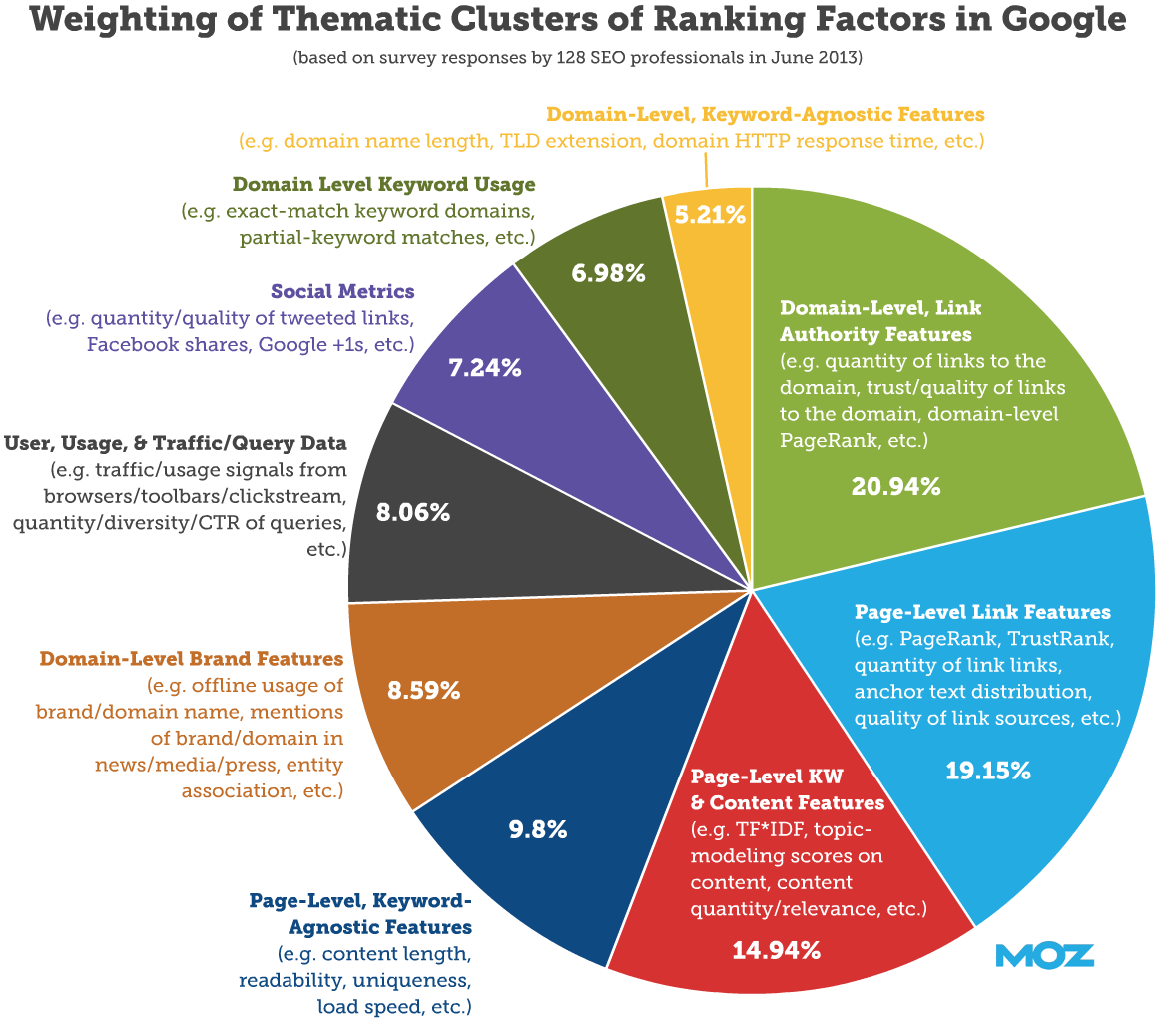

Note: Additional SEO locations include app search optimization, place listing management, material mapping, complimentary shopping listings, web development, and more.
Suggestion
Understand and dig into what overarching terms like "SEO" or "Credibility management" actually suggest to brands, what marketing problems are they trying to solve, or what they are wanting to accomplish.
Why?
SEO is the fundamental and foundational infrastructure of your brand name's DNA online. Even the most lovely mansion (paid marketing) collapses under a weak foundation. The web shares everything naturally so you might not even understand what is out there around your brand without a strong SEO strategy and consistently mindful and clever messaging.
When?
Every brand that has a website must have some involvement in SEO and work within natural listings to accomplish company brand name guidelines and goals. Online marketers ought to frequently upgrade and optimize area listings for those physical companies. This is a continuous procedure, however it generally begins with an evaluation or chance examination.
Ecommerce, shopping advertisements (formerly item listing ads).
Ecommerce is the broad term for online retail, that includes paid and unpaid elements that work in tandem. This ranges from Visit website going shopping ads on search engines and open marketplaces like Amazon/Walmart to combinations like Shopify.Note: You will require merchant center accounts to house structured product information feeds.
Idea.
Automation and artificial intelligence is key to ecommerce success. Attempt leveraging a management platform like Kenshoo to consolidate holistic ecommerce stories and acquire advanced abilities in the ecommerce program.
Why?
Ecommerce is crucial to drive online sales efficiently, effectively and maximizing influence on the bottom line.When?
If you sell products online, the entry point is going shopping advertisements on online search engine. From there, it depends upon merchants, supply chain, and marketplaces your items are offered.
Every brand name's needs will be different and need a special combination of SEO, SEM, and ecommerce. Marketers will need to assess the brand's goals and capabilities to determine what programs are required, how they will help achieve goals, and what data is needed to achieve the goals.
Brands will have similar objectives when implementing SEO, SEM, and ecommerce, like developing a SERP presence, however there is sufficient opportunity for imagination within these platforms to attain a brand name's unique goals. It is essential that marketers remain focused on these goals throughout the project but also be nimble as the industry modifications and reallocate funds to various platforms if the desired outcomes are not accomplished. Tracking results in real-time will assist marketers refocus their strategies rapidly to guarantee the goals will be satisfied.
Now that we understand the relationship, use cases, and benefits-- let's take a look at some questions you can ask to help identify the next actions to take your search program to the next level.
- What's your primary business goal?
What discomfort points are you attempting to fix?
Do you have the ideal partner who has strength, know-how, tools, and abilities across all search channels?
Taking a look at channels holistically, marketers should implement tactical planning with a nimble method to change for results is what will drive excellence in your general marketing program. While they each play different functions and bring various advantages to marketers, these channels ought to never be pitted against each other, compared on a 1:1 basis or replace one another's role in the marketing mix. Instead, they need to be considered supplemental to each other and pivotal to success.

Created with © systeme.io